
Deep Tissue Massage in Bloomington MN
Deep Tissue Massage Therapy for Targeted Muscle Tension
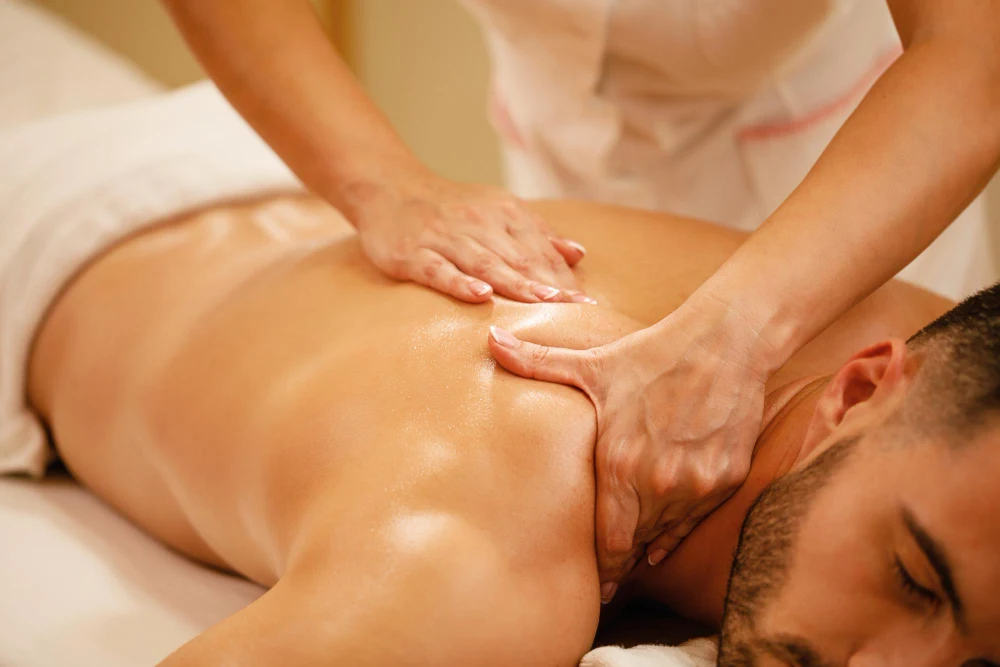
Deep tissue massage therapy in Bloomington, MN uses slower, more deliberate strokes than a typical relaxation massage. Instead of light, sweeping movements, your therapist applies focused pressure to the deeper layers of muscle and connective tissue, working through the areas where tension tends to build up over time — think tight shoulders after a long week at a desk, or a lower back that never quite loosens up.
Every body holds stress differently, so treatment is tailored to the areas that feel tight, sore, or overworked rather than applying the same pressure everywhere. Throughout the session, your therapist checks in and adjusts pressure based on your comfort, because deeper pressure isn’t automatically better — the right amount of pressure is whatever helps your muscles actually respond and relax.
This is different from a Swedish or relaxation massage, which generally uses lighter pressure and broader, flowing strokes to promote general calm. Deep tissue work is more targeted and technique-driven, and it’s often chosen by people dealing with specific areas of muscle tension rather than simply looking to unwind for an hour.
Deep Tissue Massage Benefits
Deep tissue massage benefits in Bloomington, MN can vary from person to person. Results depend on factors like your activity level, how long an area has been tense, and how your body responds to touch. Many clients notice a difference in how their muscles feel after a session, especially in areas that carry regular tension.
- Relieves Muscle Tension: Focused pressure works through tight, overworked muscle fibers.
- Supports Pain Relief: May offer short-term relief from certain types of muscular discomfort.
- Helps With Stiffness: Can support easier movement in areas that feel locked up or restricted.
- Promotes Relaxation: Even with deeper pressure, sessions are designed to calm the nervous system.
- Supports Recovery After Physical Activity: Often used after workouts, sports, or physically demanding weeks.
- May Improve Short-Term Mobility: Loosening tight tissue can make everyday movement feel easier.
It’s worth being upfront: deep tissue massage isn’t a cure-all. Health sources generally describe massage as something that may help with muscle tension, stiffness, and certain types of discomfort, though evidence and outcomes vary by condition. Rather than promising permanent results, we focus on providing thoughtful, consistent care that supports how your body feels day to day.
Deep Tissue Massage for Muscle Knots
Muscle knots — those small, tight areas that feel tender or ropy under the skin — are one of the most common reasons clients book a deep tissue massage for muscle knots in Bloomington, MN. These tight spots often develop from repetitive movement, poor posture, stress, or simply staying in one position for too long.
Rather than treating the entire body with the same amount of pressure, your therapist focuses more directly on the areas holding the most tension, which commonly include:
- Neck
- Shoulders
- Upper back
- Lower back
- Glutes
- Hips
- Legs
- Calves
Approaches used for muscle knots are sometimes described as myofascial or trigger-point techniques, which involve applying steady, focused pressure to a specific spot until the surrounding muscle begins to soften. Sessions are adjusted in real time based on what you’re feeling, so you’re never left guessing about pressure or technique.
Dealing with stubborn muscle tension? Schedule a personalized deep tissue massage in Bloomington, MN.
Deep Tissue Massage for Pain Relief
Deep tissue massage pain relief in Bloomington, MN sessions are built around a simple idea: target the tension, not just the symptoms. Rather than only addressing where discomfort shows up, your therapist also looks at the surrounding muscles and connective tissue that may be contributing to it.
Common concerns clients bring to their sessions include:
- Back muscle tension
- Neck and shoulder tightness
- Post-workout soreness
- Repetitive-use muscle tension from work or daily activity
- General muscular stiffness
It’s important to be upfront about what massage can and can’t do. Deep tissue massage may help reduce muscle tension and provide short-term relief from certain types of muscular discomfort, but it isn’t a substitute for medical diagnosis or treatment. If you’re dealing with persistent, severe, or unexplained pain, it’s worth checking in with a healthcare provider alongside your massage care.
Areas We Can Focus On
Neck | Shoulders | Back | Hips | Legs | Calves
Every session can focus on one or two problem areas or cover multiple regions, depending on your time and goals for the appointment. Just let your therapist know where you’d like the most attention.
What to Expect During Your Deep Tissue Massage
- Initial Consultation — We discuss the areas of tension, discomfort, and treatment goals you’d like to focus on.
- Personalized Assessment — Your therapist identifies the areas that need the most attention before beginning.
- Customized Massage — Appropriate pressure and techniques are applied to your targeted areas.
- Client Feedback — You’re encouraged to communicate throughout the session so pressure can be adjusted.
- Aftercare Guidance — You’ll receive simple recommendations for hydration, rest, stretching, or other appropriate aftercare.
Who Can Benefit From Deep Tissue Massage?
For Desk Workers
Long hours at a desk or in front of a computer often lead to tight shoulders, a stiff neck, and lower back tension. Deep tissue work can target these areas directly.
For Active Adults
Regular workouts, sports, and repetitive physical activity can leave muscles tight and overworked. Many active clients build deep tissue massage into their regular routine.
For People With Everyday Muscle Tension
You don’t need an intense workout schedule to carry tension. Stress, posture, and daily habits can all contribute to areas that feel consistently tight.
For Those Seeking Targeted Massage
If you want focused work on specific problem areas rather than a purely relaxation-focused session, deep tissue massage is often a good fit.
Deep Tissue Massage in Bloomington MN
Neva Massage Center is proud to be part of the Bloomington community, offering massage therapy in Bloomington that’s easy to fit into a busy schedule. Our location is convenient for clients across the area, with on-site parking and accessible entry [add specific parking/accessibility details here].
We offer flexible appointment availability, including options for clients looking for therapeutic massage in Bloomington outside of typical office hours [confirm current hours]. If you’re searching for a massage for muscle tension in Bloomington or a pain relief massage in Bloomington that fits into your week, our team is happy to help you find a time that works.
Why Choose Our Massage Therapy in Bloomington MN?
- Personalized treatment plans built around your goals
- Experienced, attentive massage therapist
- Client-focused pressure adjustment throughout every session
- Comfortable, calm treatment environment
- Convenient Bloomington, MN location
- Flexible appointment options
- Focus on specific areas of muscle tension, not a one-size-fits-all approach
- Clear communication before and during treatment
What Our Bloomington Clients Say
This section is intended for real, verified client reviews. Pull 3–5 authentic reviews from your Google Business Profile, including the reviewer’s first name or initial, star rating, and date where available, along with a link to your full review page. Avoid placeholder or fabricated testimonials — genuine reviews build far more trust with both clients and search engines.
Is Deep Tissue Massage Right for You?
Deep tissue massage is a good fit for many people, but it’s not the right choice in every situation. Before your appointment, please let your therapist know about:
- Recent injuries
- Medical conditions
- Medications that may affect treatment
- Areas of significant pain
- Pregnancy, when applicable
This information helps your therapist adjust pressure and technique so your session is both comfortable and appropriate for your situation. If you’re experiencing persistent, severe, or unexplained pain, it’s a good idea to check in with a healthcare professional — massage can support how you feel, but it isn’t a substitute for medical evaluation.

BOOK AN APPOINTMENT TODAY
Frequently Asked Questions
If you’re unable to locate what you’re seeking, don’t hesitate to get in touch. We’re here to assist!
1.What is a deep tissue massage?
Deep tissue massage uses slower strokes and firmer, more focused pressure to work through the deeper layers of muscle and connective tissue, rather than staying at the surface.
- How is it different from a Swedish massage?
◦ Swedish massage typically uses lighter pressure and long, flowing strokes for general relaxation, while deep tissue massage targets specific areas with firmer pressure.
◦ Which one should I choose?
▪ If you’re mainly looking to unwind, Swedish massage may be a better fit. If you have specific tight or sore areas, deep tissue is often the better choice.
- Does deep tissue massage hurt?
◦ It can feel intense in tight areas, but it shouldn’t be painful. Let your therapist know right away if pressure feels like too much.
2.How often should I get a deep tissue massage?
This depends on your goals and how your body responds. Some clients come in monthly for general maintenance, while others schedule more frequent sessions during periods of higher tension.
- Can I get one weekly?
◦ Weekly sessions are an option for some clients, especially during a short-term stretch of high tension, but your therapist can help you find a sustainable schedule.
- Is it okay to get one after a workout?
◦ Many active clients do schedule sessions after workouts or training blocks to help with muscle recovery.
3.What should I expect after my appointment?
Most clients feel looser and more relaxed after a session, though some mild soreness in treated areas is common, similar to how you might feel after a workout.
- Is soreness normal after a deep tissue massage?
◦ Yes, mild soreness in the areas that received focused pressure is common and generally temporary.
◦ How long does soreness typically last?
▪ For most clients, any soreness eases within a day or two. If it lasts longer or feels severe, let us know.
- Should I stretch or hydrate afterward?
◦ Drinking water and light stretching are commonly recommended, and your therapist can offer specific aftercare guidance based on your session.
4.Is deep tissue massage safe for everyone?
Deep tissue massage is generally well tolerated, but it isn’t appropriate for every situation. Sharing your health history helps your therapist plan a safe, comfortable session.
- Can I get a deep tissue massage if I’m pregnant?
◦ Please let us know if you’re pregnant before booking, so we can discuss whether deep tissue massage is appropriate or recommend an alternative approach.
- What if I have a medical condition?
◦ Share any medical conditions or medications with your therapist beforehand so your session can be adjusted safely, or so we can advise you to check with your doctor first.
Massage Therapist